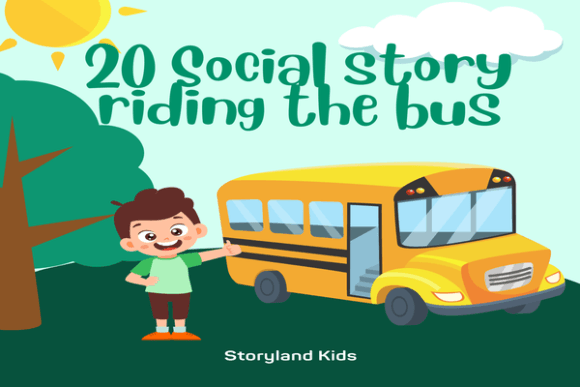
25 Social Story Riding the Bus
Teaching children how to ride the bus safely and confidently is an important part of their early education. 25 Social Story Riding the Bus is a collection of short, engaging stories designed specifically for PreK to 8th-grade students. These stories are crafted to help young learners understand and practice essential skills like safety, etiquette, and problem-solving on the school bus.
Each story in this collection is concise and easy to understand, making them perfect for quick lessons or daily reminders. Whether you're a teacher, parent, or educator, these stories offer a valuable resource for supporting your students' social-emotional development and classroom behavior. By using these stories, you can create a more positive and supportive environment for your students during their daily commute.
Why 25 Social Story Riding the Bus Works
25 Social Story Riding the Bus is more than just a set of stories—it's a practical tool that supports learning in multiple ways. The stories are age-appropriate and tailored to the developmental levels of PreK to 8th graders, ensuring that each child can relate to and understand the content. This makes it especially useful in special education settings where visual and narrative support can make a big difference.
The main purpose of these stories is to teach students about bus safety, proper behavior, and how to handle common situations they might encounter while riding the bus. From waiting for the bus to following rules on board, each story covers key aspects that help students feel more prepared and confident. This is particularly helpful during the back-to-school period when students are adjusting to new routines and environments.
Key Features of 25 Social Story Riding the Bus
- Age-Appropriate Content: Stories are carefully designed to match the cognitive and emotional development of children from PreK through 8th grade.
- Focused Lessons: Each story highlights a specific skill or behavior, such as staying seated, using the restroom properly, or asking for help if needed.
- Visual and Narrative Support: These stories provide clear examples and visual cues that help students grasp complex concepts in a simple way.
- Curriculum Alignment: The stories align with social-emotional learning objectives and support classroom management strategies.
- Flexibility: They can be used in various settings, including classrooms, counseling sessions, and home environments.
How to Use 25 Social Story Riding the Bus
Using 25 Social Story Riding the Bus is straightforward and adaptable. Teachers can incorporate these stories into their lesson plans as part of a broader curriculum on social skills and transportation safety. Parents can read them with their children at home to reinforce what they're learning in school. Counselors and special education professionals can use them as part of behavior intervention strategies or as visual supports during therapy sessions.
These stories are also great for individual reading or small group activities. They can be used as a daily reminder or as part of a larger behavior support plan. For example, a teacher might use one story each morning to remind students of the expectations for riding the bus. This helps build consistency and reinforces positive habits over time.
Real-World Applications
The benefits of 25 Social Story Riding the Bus extend beyond the classroom. In real-world scenarios, students who understand these skills are more likely to behave appropriately and feel safe while riding the bus. This can lead to fewer incidents, smoother transitions between school and home, and a greater sense of independence for young learners.
Additionally, these stories can be used to support students who may struggle with social interactions or have sensory sensitivities. By providing a clear, structured narrative, they help students process information in a way that feels less overwhelming and more manageable.
Considerations Before Using 25 Social Story Riding the Bus
Before incorporating 25 Social Story Riding the Bus into your teaching or parenting strategy, there are a few important things to consider. First, ensure that the stories are being used in a way that complements your existing curriculum and supports your students' individual needs. It's also important to assess whether the stories are being presented in a way that encourages discussion and reflection, rather than simply being read aloud.
Another consideration is the format of the stories. While they are designed to be simple and easy to follow, some students may benefit from additional support, such as visual aids or interactive elements. If you're using these stories in a special education setting, it may be helpful to pair them with other resources, such as role-playing activities or sensory tools, to enhance the learning experience.
Finally, always remember that the goal of these stories is to promote confidence and preparedness. By using them thoughtfully and consistently, you can help your students develop the skills they need to navigate the world around them with greater ease and assurance.